What is Mindfulness Meditation — And Why Does It Actually Work?
What Is Mindfulness Meditation — And Why Does It Actually Work?
The Science Behind Mindfulness, Stress Relief, and Emotional Healing
A no-fluff, no-cult explanation for the curious and the skeptical alike.
By Rahvaunia | Wellness with Rah
If you’ve ever rolled your eyes at the word “mindfulness” — I get it.
It’s been plastered on everything from app subscriptions to scented candles, and somewhere along the way it started feeling a little… buzzword-y.
Like something people say at wellness retreats between green juice and gratitude journals.
But here’s the thing.
The science behind it is real.
And it’s not woo-woo — it’s Johns Hopkins, the Mayo Clinic, and the American Psychological Association kind of real.
So let’s talk about what mindfulness meditation actually is, what it does to your brain and body, and why it’s worth your time.
So what is it, exactly?
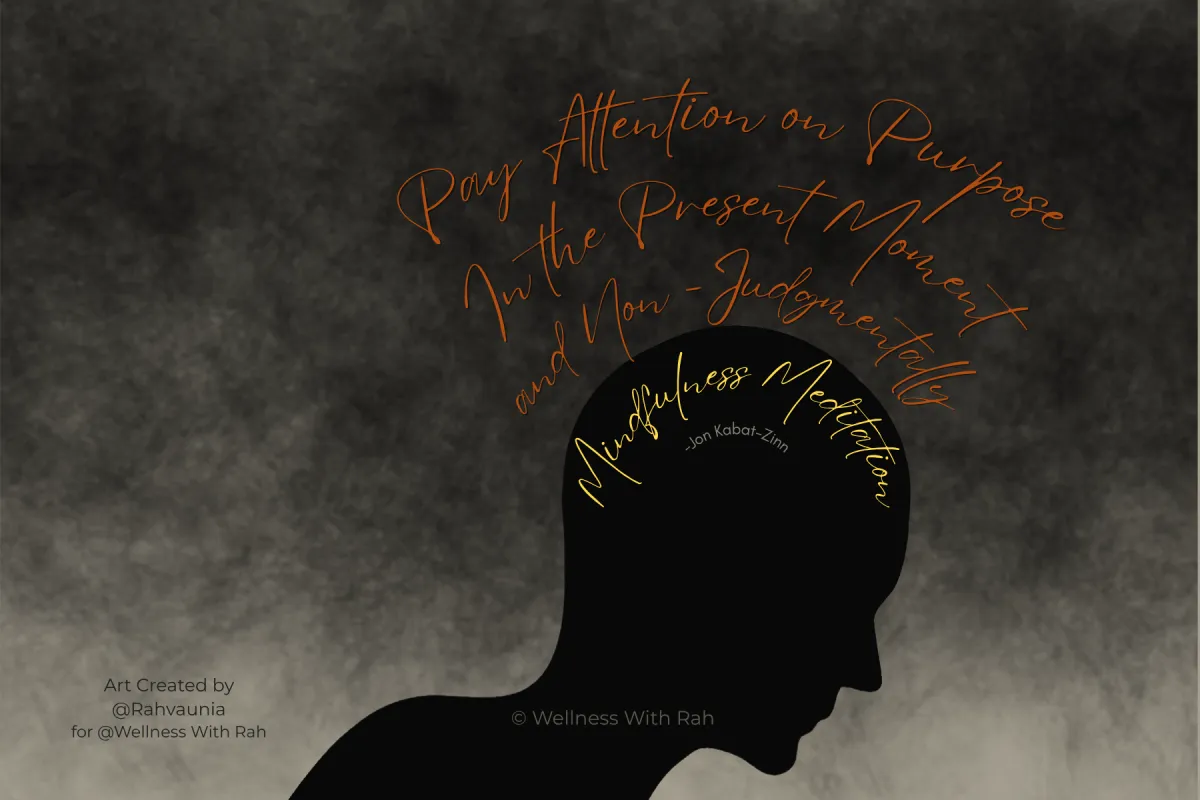
“The awareness that emerges through paying attention on purpose, in the present moment, and non-judgmentally.” — Jon Kabat-Zinn, Professor Emeritus of Medicine, UMass Medical Center
That’s it.
No special equipment. No clearing your mind of every thought (that’s not actually the goal — and honestly, not even possible).
Mindfulness meditation is simply the practice of bringing your attention to the present moment, noticing what’s there, and letting it be — without judging it or trying to force it into something else.
You can do it with breath, with sound, with physical sensation, or with emotion.
And yes — guided audio meditations count. Johns Hopkins actually recommends them for both beginners and experienced practitioners.
“Your brain is not fixed. It responds to what you practice.”— Rahvaunia | Wellness with Rah
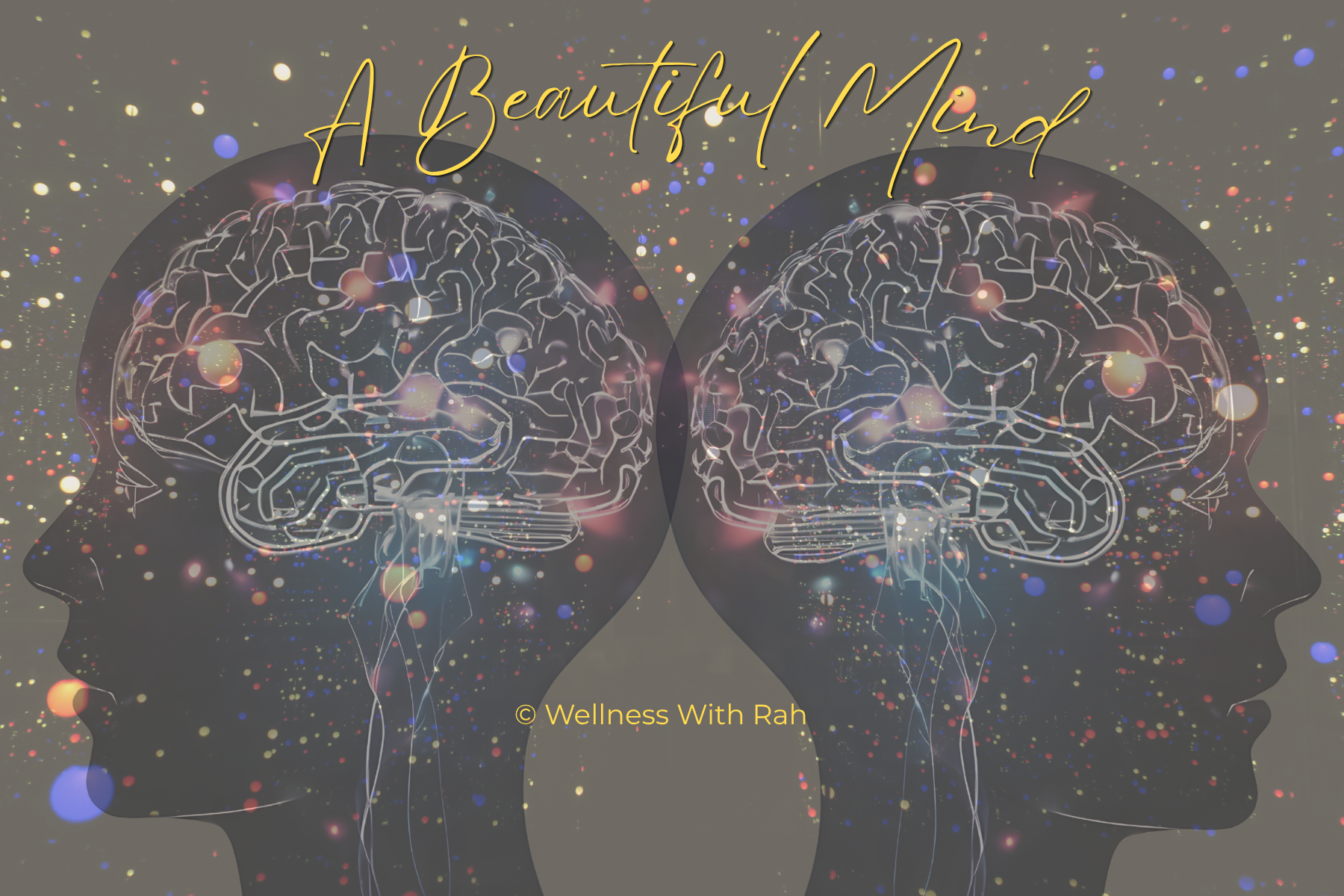
Brain imaging studies have shown that regular mindfulness practice literally changes the neurological pathways of the brain — increasing activity and volume in regions associated with memory, higher-order thinking, and emotional regulation.
That’s not a wellness trend. That’s neuroscience.
Why does this matter for grief and emotional pain?
When we’re grieving, the nervous system is in overdrive.
The brain gets stuck in loops — replaying the past, dreading the future, unable to find solid ground in the present.
Mindfulness interrupts that loop.
Not by forcing positivity. Not by bypassing the pain.
But by giving the nervous system a place to land — right here, right now, in this breath.
The Mayo Clinic describes mindfulness as a way to help people manage the thoughts and feelings that cause distress. The APA recognizes mindfulness-based practices as evidence-based tools for emotional regulation and stress reduction.
“It works. And it works especially well when the heart is heavy."— Rahvaunia | Wellness with Rah
How do you actually start?
You don’t need a special room.
You don’t need thirty minutes.
You don’t need silence.
(There are 'walking' mindfulness meditations. Stay tuned and we'll share more on that.)
You just need two minutes and a willingness to show up for yourself.
Start with breath. Inhale slowly. Exhale slowly. Notice the sensation — not perfectly, just honestly. That’s it. That’s a simple start to the practice.
The more you do it, the more your nervous system learns that it is safe to slow down.
And from that safety — healing becomes possible.
You don’t have to be spiritual. You don’t have to be still. You don’t have to have it together. You just have to be willing to breathe — even for two minutes.
That’s where it starts. 🌹
With love and intention,
Rah 🌿
Certified Functional Nutritionist | Wellness with Rah
WellnessWithRah.com
→ Learn about our Guided Mindfulness Meditations
Sources
Johns Hopkins Medicine — Mindfulness Meditation: hopkinsmedicine.org/health/wellness-and-prevention/mindfulness-meditation
Mayo Clinic Health System — Mindfulness Meditation: Improve Your Quality of Life: mayoclinichealthsystem.org
American Psychological Association — Mindfulness Meditation: apa.org/topics/mindfulness/meditation
Goyal, M. et al. (2014). Meditation Programs for Psychological Stress and Well-being. JAMA Internal Medicine.